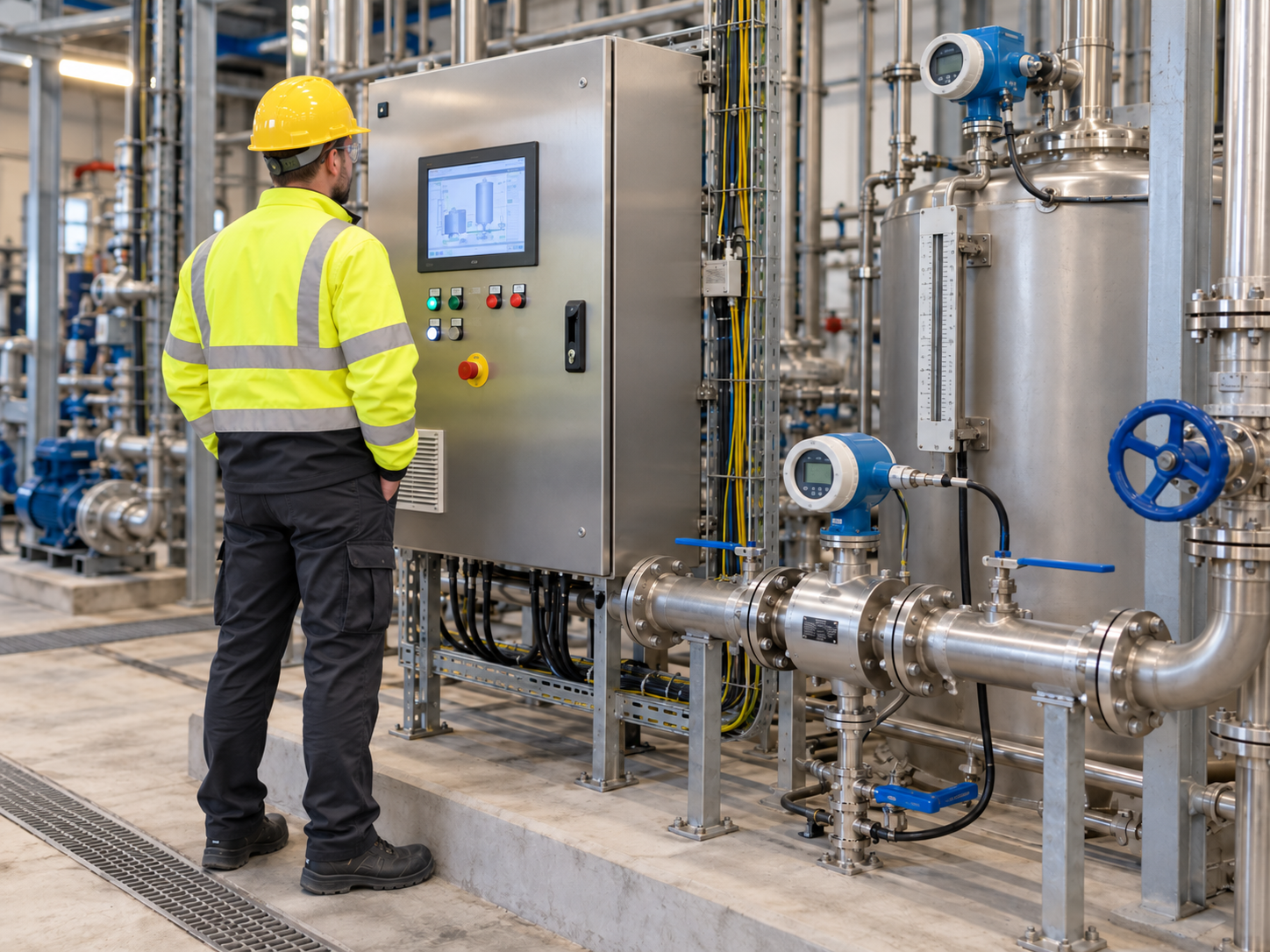
Free Engineering Tools You Can Use Right Now
Built from real site experience
Designed for engineers who need quick, practical answers on site.
ATEX Equipment Selector
Choose the correct equipment for hazardous areas in seconds — without digging through standards
Ideal for quick decisions on site
Cable Size & Voltage Drop Guidance Tool
Quick voltage-drop check when you are standing beside a panel, checking a field device or reviewing a cable route.
Ideal for quick cable & voltage drop checks
Fibre Install Tool
Plan fibre installs properly and avoid common mistakes before they happen.
Designed for practical install planning
Engineering (The Real-World Version)
Most Popular Engineering Post!
Hazardous-area and electrical engineering, explained the way it actually works on site — not the way the textbook pretends it does. If ATEX is your world, start with the hazardous-area guides.
Here are a few principles that make life easier:
- Learn by Doing — University gives you theory. The job gives you the messy version that actually matters.
- Ask Questions Early — Guessing is how mistakes happen. Asking is how you avoid them.
- Slow Down — Rushing leads to errors. A few extra minutes checking drawings, numbers, and requirements can save hours later.
- Own Your Mistakes — Engineers don’t become good by avoiding mistakes. They become good by fixing them and understanding why they happened.
- Communicate Clearly — Most engineering problems start with miscommunication. Clear writing, clear emails, clear questions save you more time than any tool.
Investing (Without Feeling Like an Idiot)
A separate, more personal strand. I track a real-money investing challenge every month and share what works and what doesn’t — including the losses. If you’ve ever opened a trading or investing app and thought, “I have no idea what I’m doing” — you’re exactly who I write for.
So, where do you start? Here are a few simple ideas:
- Learn the Basics — Read up on investing, personal finance, and how markets roughly work.
- Start Small — Even a few pounds a month is enough to build the habit.
- Think Long-Term — Investing isn’t a get-rich-quick scheme. The goal is to build wealth over time.
- Expect Mistakes — You’ll mess up. That’s fine. The goal is to learn, not to be perfect.
About Eejit’s Guide
I started this site because I made more mistakes than I can count — in engineering, investing, and just figuring life out. This is everything I wish I had when I started: honest stories, practical lessons, and no jargon.
Not sure where to jump in? Start Here and follow the breadcrumbs.
-

Eejit’s Guide – The Monthly Investing Challenge – October 2026
October was a quieter month in my investing challenge. USD/JPY was choppy, I took fewer trades, and the…
-

Eejit’s Guide – The Monthly Investing Challenge – September 2026
September brought a harsh reminder about trading risk. One USD/JPY trade wiped out more than August’s forex profit,…
-

Does Simple Apparatus Need an IS Barrier?
Does simple apparatus really need an intrinsic safety barrier? We look at one of the most common hazardous-area…
-

Eejit’s Guide – The Monthly Investing Challenge – August 2026
My August 2026 investing challenge update, tracking dividend stocks, index investing, Microsoft and USD/JPY trading with real money.
-
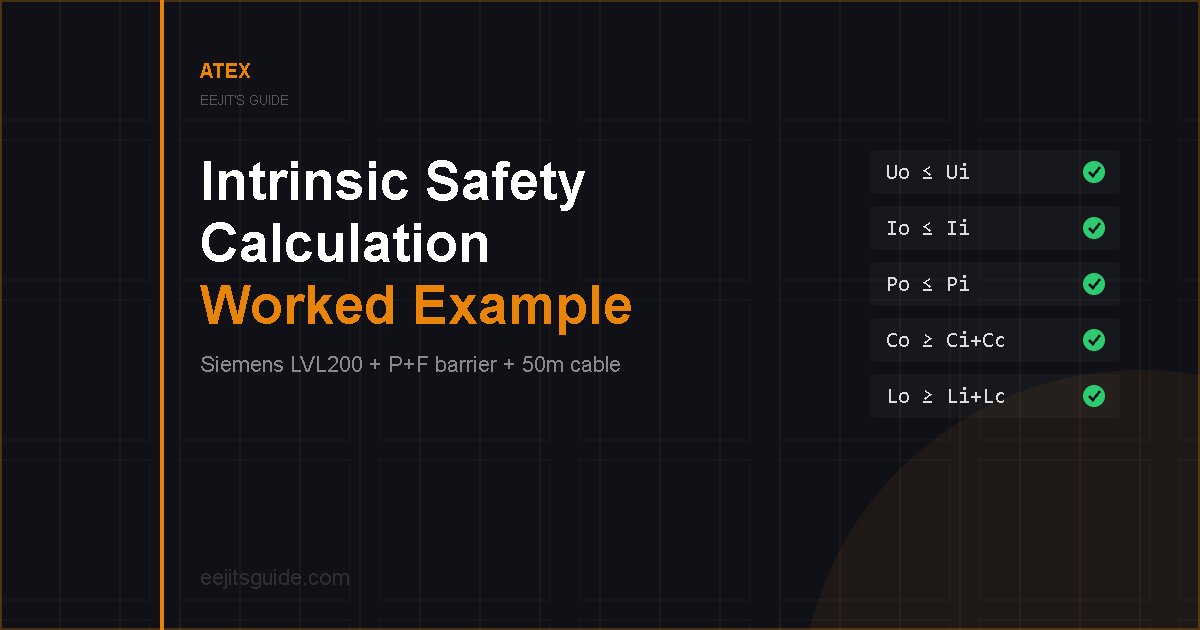
Intrinsic Safety Calculation Example: Siemens LVL200 + Pepperl+Fuchs Barrier
A worked intrinsic safety calculation using a Siemens SITRANS LVL200 and Pepperl+Fuchs barrier, including entity parameters, cable capacitance,…
-

Didn’t Get the Exam Results You Wanted? It Doesn’t Decide Your Future
Bad exam results can feel like a disaster when you’re young. I’ve been there. Here’s what I learned…
-

Eejit’s Guide – The Monthly Investing Challenge – July 2026
The July 2026 update from my real-money investing challenge, tracking dividend stocks, index investing, Microsoft and USD/JPY trading.